.svg)

Commentary
Bee Sweet


This is one in a series of educational columns fostering environmental stewardship and leadership coordinated by ACES — The Alliance of Climate and Environmental Stewards.
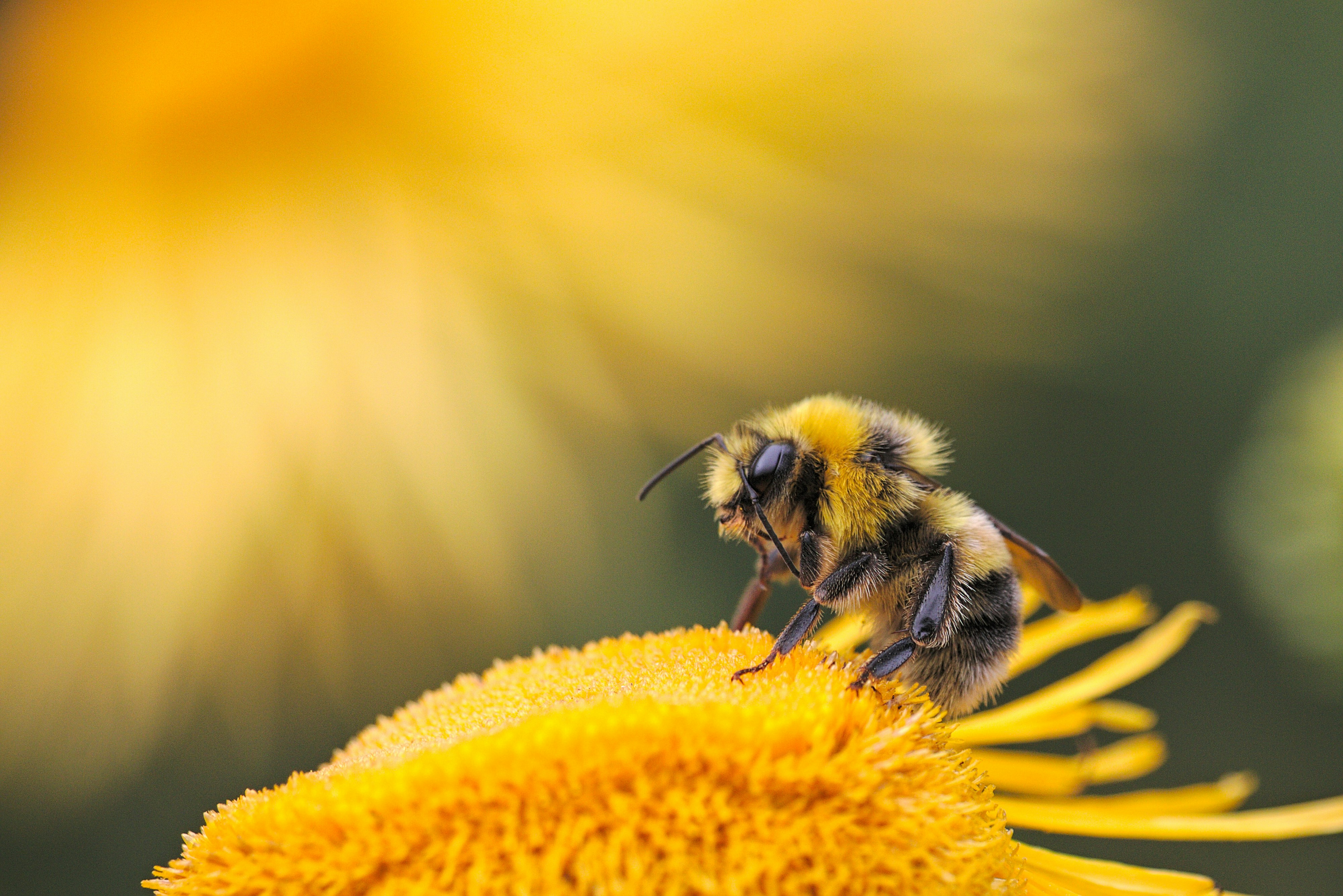
It’s in the air. Listen to the little buzz of bees on the dandelions. It’s the low-key hum of those tiny and beautiful creatures as they collect the raw material for sweet honey. Bees, and all of the products that they produce, were essential to our early modern ancestors. Sugarcane was too expensive a sweetener for most people. But honey was widely available and central to cooking, lighting (as candles), and brewing of mead. In the Bible, the ‘land of milk and honey’ were the words used to describe the wonders of the promised land of the Old Testament. Author A.A. Milne understood the attraction in his beloved character, Winnie the Pooh, who just loved his honey. And yes, they say it was even enjoyed by King Arther and Queen Guinevere of legend.
Now-a-days, the production of honey locally is a micro-industry—and a hobby, with hives and their keepers in our community backyards and farms. We know several committed environmentalists who host hives along the Merrimack River in Amesbury, across from Lowell Boat Shop, and at Maple Crest Farm in West Newbury near the Indian Hill Reservoir.
Per farmer John Elwell at Maple Crest, “Growing strawberries, blueberries, raspberries, sunflowers, and other crops, I quickly learned of the value of keeping bees to pollinate my crops and to enable crops to grow. I now have 5 beehives, and I"m so impressed every time I inspect the crops. This season at Maple Crest Farm, 2500 new strawberry plants are being set in the ground and the bees will love them for their nectar and we will love them for their summer sweetness. Come and visit us with your children and maybe we can organize a view of the hives.”
Even on the Rose Kennedy Greenway in Boston, there are hives set among the pathways, discreetly out of sight above and next to some of the ventilation structures. Bees in parks are a wonderful addition if nearby habitats are available.
According to BeekeeperCorner.com, “In recent years, there’s been a remarkable resurgence of interest in beekeeping, and it’s not just about harvesting honey. This hobby has become a popular way to build community connections, foster friendships, and develop valuable skills.”
There are over 20,000 known species of bees. Some species are social insects, living in highly hierarchical colonies, including honey bees, bumblebees, and stingless bees, but over 90% of bee species are solitary. Next time you see some bees around flowers look closely to see their size and shape and colors. Like bird watching, you can keep a personal record of all the species you have seen in the wild.
We need to monitor and protect biodiversity because it is a leading indicator of the health of our planet. That’s why it’s so important to monitor and protect habitat for all the pollinators, not just the ones that make wax and honey or flutter like butterflies. Wild bees, flies, and other pollinators are important too, not just the ones that we cultivate. Planting a diversified, native collection of pollinator friendly plants will aid in that effort. ACES Ally Pollinator PowerWorks is focused on supporting wild bees and other pollinators like butterflies and can show you how it’s done with their comprehensive Native Pollinator Garden Planner (www.pollinatorpowerworks.org).
Bees have been creatures of myth and poetry since the dawn of recorded civilization. According to writer Robert Grinnell, “Shakespeare was a beekeeper”, though not in the literal sense. Rather, he used bee imagery to reflect on human character and morality equating bee colonies as a "social mirror" for human civilization, regarding political order, hierarchy, and division of labor.
So, coming up on planting season as we are, the busy bees of our region, our people, can be helping our real bees thrive. Maybe by not mowing a narrow margin or corner of their lawns this year. Maybe by planting a pollinator garden using native perennials. You can help protect our regional biodiversity.
We invite you to stay updated on environmental matters by subscribing to our monthly newsletter on ACES’ website. Please consider joining our community of stewards committed to Make Every Day Earth Day and subscribe to our Instagram and Facebook pages.
This educational column was originally published by The Daily News of Newburyport on May 1, 2026.