.svg)

Commentary
Spring Planting with Purpose: Build a Garden That Gives Back

.jpeg)

This is one in a series of educational columns fostering environmental stewardship and leadership coordinated by ACES — The Alliance of Climate and Environmental Stewards.
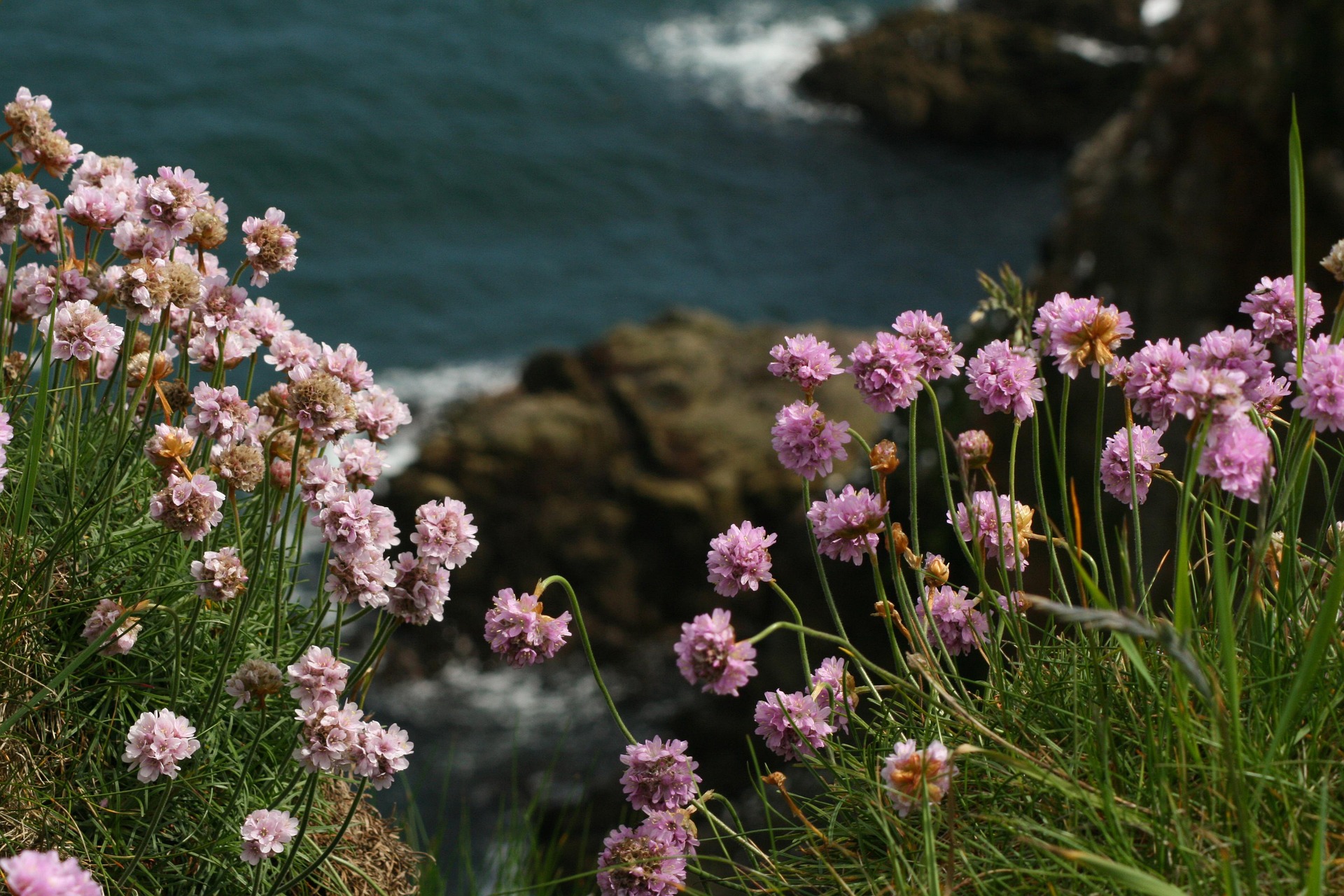
In New England, spring planting season is almost here. It’s when we step outside and start bringing our yards back to life. And if you plant with intention, your yard becomes more engaging, lower-maintenance over time, and more rewarding to spend time in. Bees moving from flower to flower. Butterflies passing through. Birds showing up because there’s finally something worth visiting. That’s the immediate return—a garden that isn’t static, but active. And once you experience it, a static garden starts to feel like a missed opportunity.
Pollinators are under pressure from habitat loss, pesticide use, and climate shifts. Many of our landscapes—lawns, ornamental beds, cleared edges—don’t offer the food or shelter pollinators need. But when you shift even a small part of your yard to support them, you start to see benefits right away—more activity, healthier plants, and a space that feels alive instead of maintained.
Start with plants that give something back—nectar, pollen, and habitat for pollinators. Native perennials do this best. They’re adapted to our region, which means less watering, fewer inputs, and less guesswork. They settle in and come back stronger each year, doing more with less effort.
Then think beyond a single moment of bloom. A good garden has something happening from early spring through late fall. Early flowers support pollinators just emerging. Summer brings the most activity. Late-season blooms are just as important, giving insects what they need before everything winds down—and giving you a garden that you can enjoy all season long, with something new to notice every few weeks.
If you’re not sure how to plan that out, this is exactly what our Pollinator PowerWorks toolkit is built for. You can filter plants by bloom time, light, moisture, height, color, and even which pollinators you want to attract—bees, butterflies, or hummingbirds. Then, you’re not guessing; you’re matching plants to your actual conditions and goals. A few early bloomers, a strong summer core, and some late-season plants to carry things through—so something is always happening, and something is always supported.
You don’t need a full redesign to get there. A small bed, a strip along a fence, even a few containers can start to change how your space feels. Add a few plants this year, a few more next year. It builds quickly, and the results compound.
And once it’s working, you notice it. Certain plants are always busy. New visitors show up. The garden starts to feel like it’s running on its own. You’re not just maintaining it—and you’re getting something back from it.
That’s the idea behind Pollinator PowerWorks—that small, local actions can create spaces that are more enjoyable to spend time in and more supportive of the ecosystem.
This spring, decide not just what you want to grow, but what you want to support.
Ellie Volckhausen is a mom, design director, president, and passionate pollinator advocate with the Pollinator PowerWorks group. Learn more at pollinatorpowerworks.org.
We invite you to stay updated on environmental matters by subscribing to our monthly newsletter on ACES’ website. Please consider joining our community of stewards committed to Make Every Day Earth Day and subscribe to our Instagram and Facebook.
This educational column was originally published by The Daily News of Newburyport on April 24, 2026.
%20(1).png)