.svg)

Commentary
Using all the best composting practices
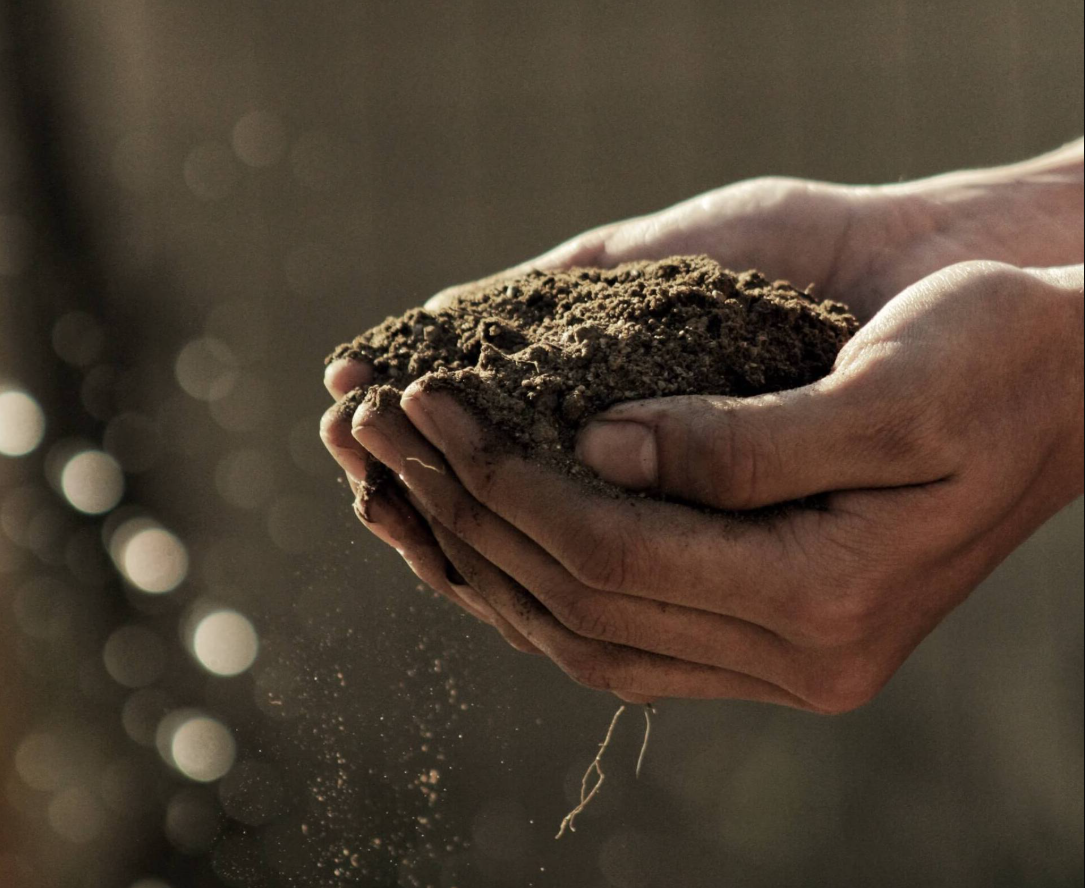


This is one in a series of educational columns fostering environmental stewardship and leadership coordinated by ACES – The Alliance of Climate and Environmental Stewards.
As the saying goes, one size doesn’t fit all, and it rings true with about everything we do. We all have different viewpoints on preferences of books or jobs or types of houses and composting food waste. Having many options allows us to find the best fit for whatever we are doing.
Newburyport has been a good example for investigating many options to increase the amount of food waste that stays out of the waste stream and goes to composting. Furthermore, based on industry standards, the city has incorporated all the best practices available, not just for composting, but recycling and reuse, too.
Why is it important to prioritize composting and keep food waste out of the waste stream?
The biggest reason is cost, the city pays over $100 per ton of trash to haulers to carry it away, and the money to pay for that comes from taxes. Add to the current cost, no more available landfills in Massachusetts and incinerators working at full capacity, therefore haulers must transport further distances to get to new disposal sites. This increased distance to move waste is tied to the cost of fuel.
So, the less waste we generate, the less we have to have hauled away, which helps minimize the city’s cost and stabilize taxes. And focusing on food waste is 30% to 40% of the weight of trash, as a consequence reducing the amount of food that goes to trash is the most significant impact you can make to controlling the increasing costs of waste hauling.
The best practices Newburyport has implemented over the past eight-plus years include curbside pickup by Black Earth and individual backyard composting and municipal communal composting. Each contributes to the drive to decrease our waste stream in different ways.
Curbside pickup is a great option for families, or groups of people willing to share a compost bucket, and restaurants.
For residential pickup, the cost is about $110 per year and offers a convenient method to pull food waste out of the stream, and along with recycling can minimize weekly trash by over 50%. From an environmental perspective, it keeps the food waste from breaking down and emitting significant methane in open landfills.
Individual backyard compost works well where property owners have some space to create a compost area or use a piece of compost equipment to break down the food waste into a nutrient soil.
The only downside to the backyard method is the limit of food types that can be put into the compost mix. No animal
bones, meats or fats, including cheeses and other dairy products that are too complex to break down on a small scale.
The third option, municipal community composting, provides convenient compost drop-off stations around the city where residents can deposit their food waste for free.
Currently, there are four active sites (the senior center parking lot, wastewater treatment parking lot, recycling center on Colby Farm Lane and on the Clipper City Rail Trail at the intersection of Washington Street), plus two more that were to come online July 1 (Cherry Hill soccer field and Perkins Park). These stations are especially suitable for people who don’t generate enough food waste weekly to warrant curbside pickup.
The compost stations are serviced weekly by Black Earth and the food waste is processed the same as curbside pickup at their facility to produce a nutrient- rich composting material for farms, gardens and landscaping.
In Newburyport, composting can be easy, affordable and convenient, and as residents we should be taking advantage of the service to decrease our trash for the reasons outlined above and do our part to positively impact the environment.
We invite you to stay updated on environmental matters by subscribing to our monthly newsletter on ACES’ website https:// www.aces-alliance.org/. Please consider joining our community of stewards committed to Make Every Day Earth Day and subscribe to our Instagram https://www.instagram.com/ acesalliancenbpt/ and Facebook https://www.facebook.com/ ACESAlliance/pages.
This educational column was originally published by The Daily News of Newburyport on July 3, 2026.