.svg)

Commentary
Positive Water Quality – is it Sustainable?


This is one in a series of educational columns fostering environmental stewardship and leadership coordinated by ACES — The Alliance of Climate and Environmental Stewards.
Feeling helpless lately? Me too. I am an oceanographer/atmospheric scientist. Earlier this week, the National Science Foundation (NSF) under the Trump administration began to dismantle and remove all in-water infrastructure for four of its five strategic Atlantic and Pacific Ocean global monitoring arrays, beginning off the coast of Oregon and Washington.
These arrays are part of the NSF funded Ocean Observatories Initiative (Ocean Initiative) that provides us with real-time monitoring data and allows us to address critical global issues such as climate change, ecosystem variability and sustainability, ocean acidification, and carbon cycling. The Ocean Initiative sensor arrays, more than 80 physical platforms and over 900 instrument packages, provide the physical framework for housing 36 different sensor types that collectively measure more than 200 different oceanic and atmospheric parameters. All collecting very valuable data.
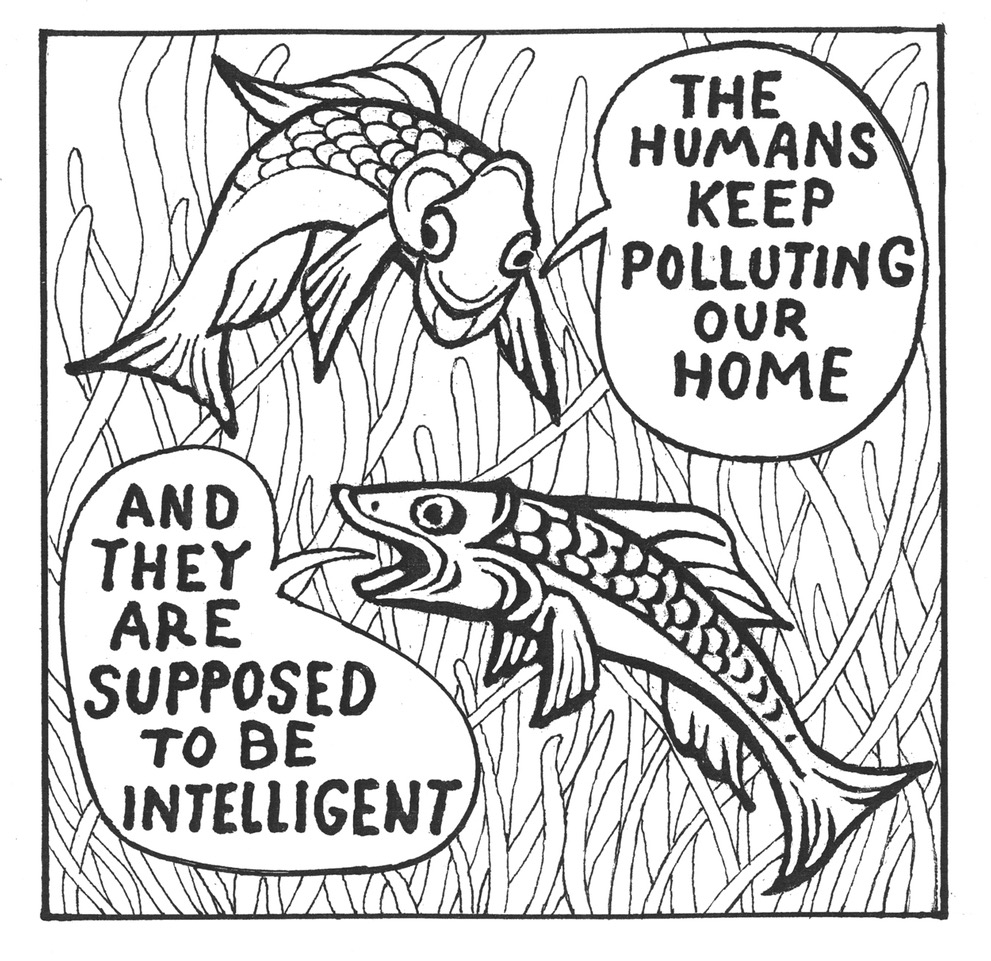
But why would our government decommission a working system that provides us with so much important information about our planet and environment? I thought that we humans were supposed to be intelligent. I can only guess that the reason for this decision is that we can’t claim climate change and ocean degradation are happening if we don’t have any data to prove it. Naturally this decision has triggered massive pushback from international scientists and a bipartisan coalition of US lawmakers who are aggressively fighting to halt the decommissioning process. But it is already underway.
Short of writing the National Science Foundation and telling them that they are nuts for dismantling an almost $400M global environmental monitoring system that took 10 years to build and that can help us manage our changing planet, there is not much that greater Newburyport citizens like us (me) can do to remedy this situation.
But there are things that we can do locally that will have a positive impact on the sustainability of our local environments. We can become more aware of our own regional air, water, and biological environments and how we can benefit or harm them through our actions or inactions. Most of us live in a coastal watershed environment: Merrimack or the Parker River or Ipswich Watersheds. Do you keep track of what is happening in your watersheds that might impact their long-term sustainability? Are you part of the solution or part of the problem?
Here's some good news. Recently, the Larkin Mill Dam located in Newbury on the Parker River was completely dismantled and removed with the support of a broad coalition of local, state, federal, and nonprofit organizations. Taking down this barrier reopened critical spawning grounds for native migratory fish species, including river herring and sea-run brook trout, while simultaneously reducing local flooding risks. But we’re not done, there’s still the Ipswich Mills Dam, a work in progress. Now the highest-profile pending project in the immediate area and backed by a $1.2 million grant, it has cleared its state certifications and is awaiting final federal permits to open up 45 miles of upstream mainstem river.
And there’s the Talbot Mills Dam in North Billerica located on a critical tributary of the Merrimack River. The Merrimack River Watershed Council (MRWC) and various partners are aggressively pursuing its removal. Dismantling this 200-year-old structure will free up an astonishing 135 miles of high-quality upstream habitat for migratory river herring and shad.
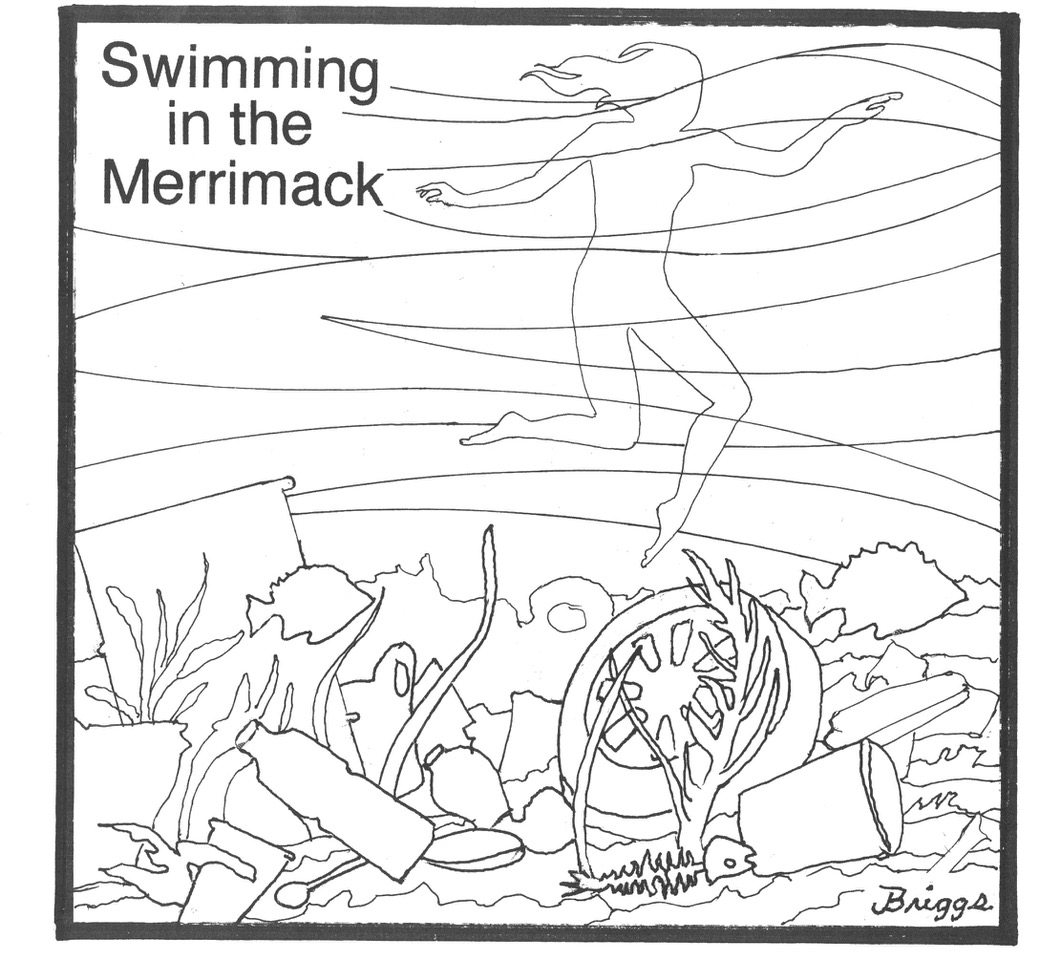
Unfortunately, there is also a less positive water quality aspect of our rivers and watersheds, pollution, that still need to be addressed. For example, the Merrimack River is currently facing a mixture of worsening drought conditions, intermittent heavy rainstorms, and spikes in bacterial pollution (likely sewer overflow sources) identified by the MRWC in their 2025 water quality monitoring program. The Merrimack system provides drinking water to over 600,000 people and recreational activities for 200 communities and over 2.5 million people. Unless addressed, Combined Sewer Overflows (CSOs) and other non-controlled land runoff into our rivers will pose a significant threat to future regional sustainability, acting as a critical bottleneck for ecosystem health, public infrastructure, and economic growth. There is work to do. So, please be an “intelligent human” and be part of the solution … get involved locally where you can make a big difference.
Lon Hachmeister lives in Newbury by the Parker River and is an active member of ACES and various local and regional sustainability organizations. He can be reached at lon.hachmeister@aces-alliance.org
We invite you to stay updated on environmental matters by subscribing to our monthly newsletter on ACES’ website. Please consider joining our community of stewards committed to Make Every Day Earth Day and subscribe to our Instagram and Facebook pages.
This educational column was originally published by the Daily News of Newburyport on June 19, 2026
%20(1).png)