.svg)

Commentary
Global Energy Independence Day

This is one in a series of educational columns fostering environmental stewardship and leadership coordinated by ACES — The Alliance of Climate and Environmental Stewards.
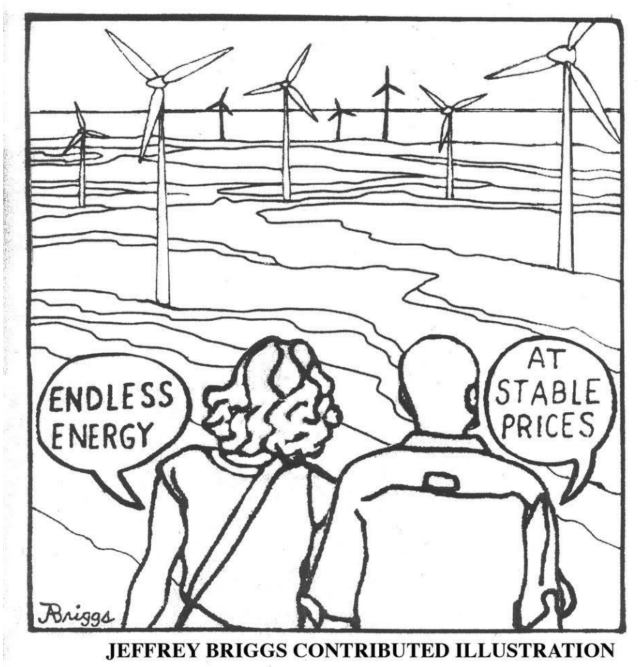
On this important clean energy day, let’s recognize offshore wind energy’s role in affordable energy and protecting our unique wildlife and ecosystems. As the rising fuel prices in Massachusetts drag our electric bills up, the need for responsibly developed offshore wind energy on American coasts could not be more clear. Offshore wind energy will help stabilize our electricity bills and address the threat climate change poses to us all.
Globally, the price of electricity produced from liquid natural gas and other fossil fuels fluctuates greatly depending on global geopolitical conditions. Most recently, the United States’ war in Iran drove energy prices up as oil shipments through the Strait of Hormuz were restricted and oil became more scarce.
In contrast, local, renewable energy like offshore wind can help buffer ratepayers from the volatility of the fossil fuel market. Offshore wind energy is one of the most affordable energy sources, in part because states typically contract offshore wind energy from the developer at a fixed long-term price.
Massachusetts’ recent 20-year contract to receive energy from offshore wind project Vineyard Wind 1 is on track to save Massachusetts ratepayers $1.4 billion on their electricity bills over the next two decades.
Vineyard Wind 1 completed construction 15 miles south of Martha’s Vineyard earlier this year despite legal roadblocks from the Trump Administration that have since been dismissed. The project’s 62 turbines will generate 800 megawatts (MW) of clean energy for the state, enough electricity to power 400,000 homes and businesses.
Vineyard Wind 1 is a project of firsts. It is the United States’ first utility-scale offshore wind project, Massachusetts’ first offshore wind project, and the first of two Vineyard Offshore projects planned in the state. Vineyard Wind 2 —which has an approved Construction and
Operations plan from the federal government but still needs to go through permitting processes—would deliver up to 1,200 MW of energy, or the equivalent of powering 650,000 homes, to the New England grid.
Offshore wind projects in the United States have to undergo a thorough planning and permitting processes with protections for communities and wildlife at every step of the way.
Vineyard Wind 1, for example, prioritized avoiding critical ocean areas used by species such as the North Atlantic right whale, an endangered whale species that spends time off the coast of Massachusetts, and used a variety of technologies and strategies to avoid or minimize impacts on whales and other wildlife during construction.
Energy prices are not the only thing on the rise. Climate change is making extreme weather events more intense and more frequent.
Growing up in a historic coastal New England town not unlike Newburyport, I have seen how climate change is affecting our region. Hotter summers, more extreme winter storms, shifting species habitats, and contingency plans for when historic streets and coastlines are underwater mar our otherwise picturesque towns.
Newburyport’s 2020 Climate Resiliency Plan identifies how climate change-induced threats such sea-level rise, winter storms, and flooding will impact the city. Offshore wind energy on the grid will help Newburyport meet its clean energy goals and can improve air quality in the region while offsetting some of the worst impacts of climate change.
On Global Energy Independence Day (July 10), let’s not forget that offshore wind is the cleanest and cheapest way to develop a home-grown energy supply.
Lily Sones is the Storytelling Coordinator for the National Wildlife Federation’s Offshore Wind Energy Program.
ACES invites you to stay updated on environmental matters by subscribing to our monthly newsletter on our website. Please consider joining our community of stewards committed to Make Every Day Earth Day and subscribe to our Instagram and Facebook pages.
This educational column was originally published by the Daily News of Newburyport on July 10, 2026.
Youth and Sustainable Farming
Wild, Weird and Wired