.svg)

Commentary
Your Home Is Your Ecosystem




This is one in a series of educational columns fostering environmental stewardship and leadership coordinated by ACES — The Alliance of Climate and Environmental Stewards.
It is said that ‘home is where the heart is’ but it is also where the rest of your body is. And your body, as for all creatures, does best within an ecosystem that optimizes your life functions. So, we would like you to consider an analogy that your home functions like a small ecosystem. Whether it is your dorm room, apartment, or family house, it forms your ecosystem as you add all your objects and decor and make it truly your own habitat.
In 2026, you can resolve to build yourself a healthier personal living environment. A mini-ecosystem where you can adjust lighting, scenic objects, plant and animal life, temperature and humidity, food sources, and even energy use. If we have caught your attention, consider making some of the following adjustments to your home ecosystem to make it more sustainable for your needs. Here are a few basics that can get you started.
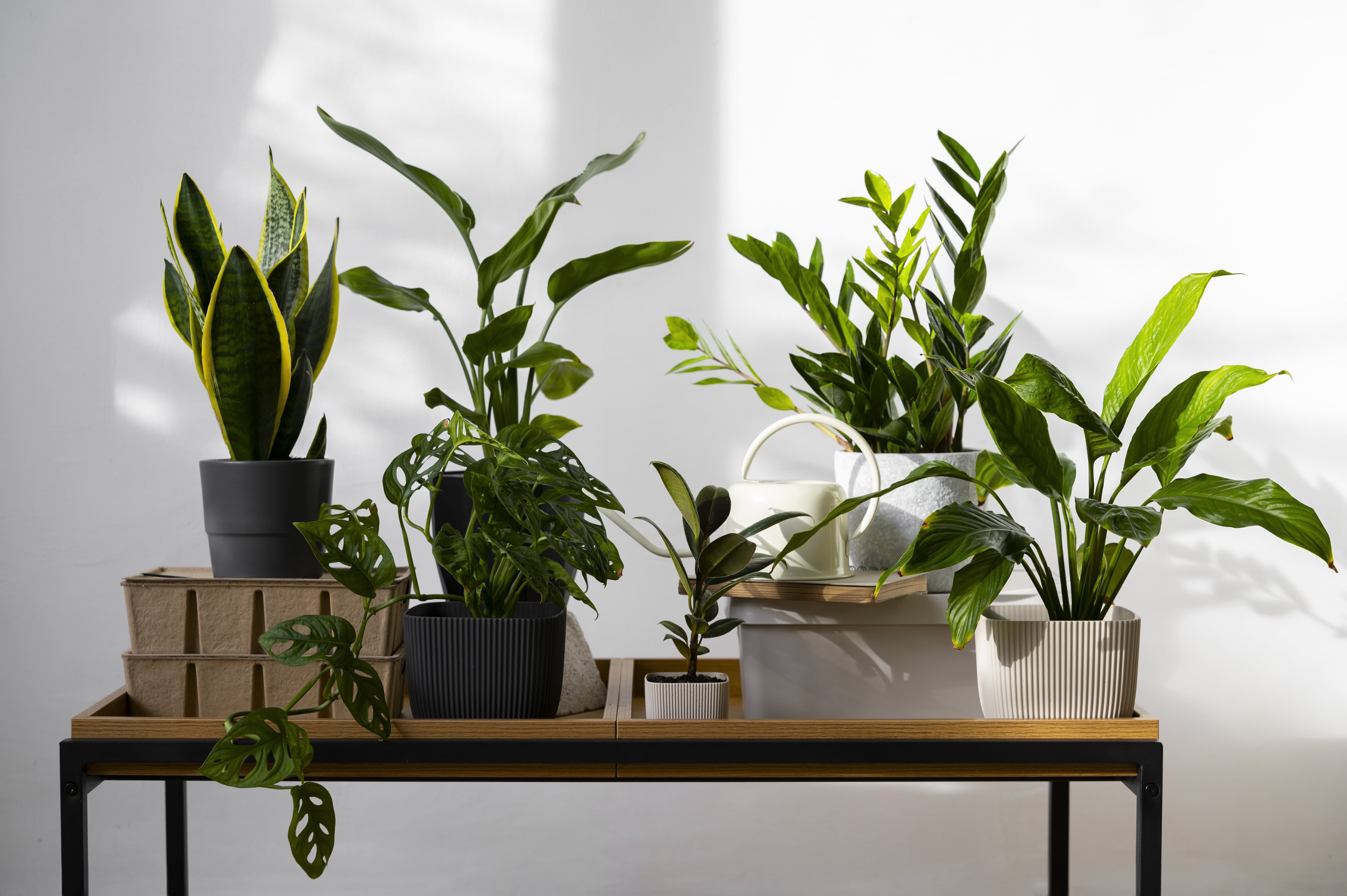
First, include house plants. They may seem like an afterthought, something to add to a bookcase or coffee table as decorative accessories, but they are much more than that. Houseplants are one of the living elements that can contribute to your home ecosystem. They improve air quality and oxygen levels; some even reduce indoor toxins. They are psychologically beneficial and create a calming, natural atmosphere. They bring color to your home and modulate its humidity to sustain a comfortable microclimate.
Next, choosing full-spectrum lighting can support your mood, sleep cycles, and even your circadian rhythm in low-light environments when natural light is seasonally limited. It’s good for both you and your plants. Switching to a few full spectrum lightbulbs, especially in work areas, reading spaces, or plant zones can lift your mood in subtle ways as well as making the space healthier.
You should also pay attention to the humidity in your home ecosystem, especially in winter months. Buying a small digital indoor hygrometer for as low as $20 on line can give you a clear reading of the level of humidity in your home, important for maintaining a comfortable and healthy indoor environment for you and your plants. Ideal levels of indoor humidity range from 40–60% and New England winter dry indoor air may benefit from adding a small humidifier, decorative pebble and rock water trays, or small fountains. Balance is key because too much moisture may lead to mold.
Our homes can be like a natural landscape in some ways with soft and hard features. Our floors, counters, insulation affect air quality, heat, and durability. Our soft features like rugs, drapes, fabric furniture, plants, and décor shape the acoustics, comfort, and mood. Together, these elements are the land forms and vegetation of your home ecosystem.
For some of us adding small birds from reputable breeders like finches, canaries, or parakeets to our ecosystem can bring gentle sound, movement, and life into the home, enriching the emotional environment. Their cages can be interesting design elements in your home decor and they can thrive in spaces with the same conditions that also benefit people. Birds can help with mental serenity because their presence encourages routines of feeding and cage cleaning and connect occupants more closely with daily ecological cycles.
ACES focuses on teaming up with environmental allies to promote a healthier earth for us all, but like every endeavor in life it should start at home with your own efforts and choices. Viewing your home as an ecosystem encourages healthier, more sustainable, and more natural living. Small steps like added plants, balanced humidity, more natural light, and even the companionship of birds create a thriving indoor environment can make a big difference. Imagine it’s February and a cold dry day outside. Now imagine joining a friend or two in your own little Eden. It’s a natural environment of light, humidity, plants, and soft music or a bird song. It will be good for you and good for the Earth even if only a small way. ACES wishes you and yours a happy New Year. One that is less stressful, calmer, and environmentally more sustainable.
Meanwhile we invite you to stay updated on environmental matters by subscribing to our monthly newsletter on ACES’ website https://www.aces- alliance.org/. Please consider joining our community of stewards committed to Make Every Day Earth Day by contacting acesnewburyport@gmail.comSubscribe to our Instagramhttps://www.instagram.com/acesalliancenbpt/ and Facebookhttps://www.facebook.com/ACESAlliance/ pages to stay informed.
This educational column was originally published in the Daily News of Newburyport on December 26, 2025.
%20(1).png)