.svg)

Commentary
The Six-Week Life of a Summer Bee



This is one in a series of educational columns fostering environmental stewardship and leadership coordinated by ACES — The Alliance of Climate and Environmental Stewards.
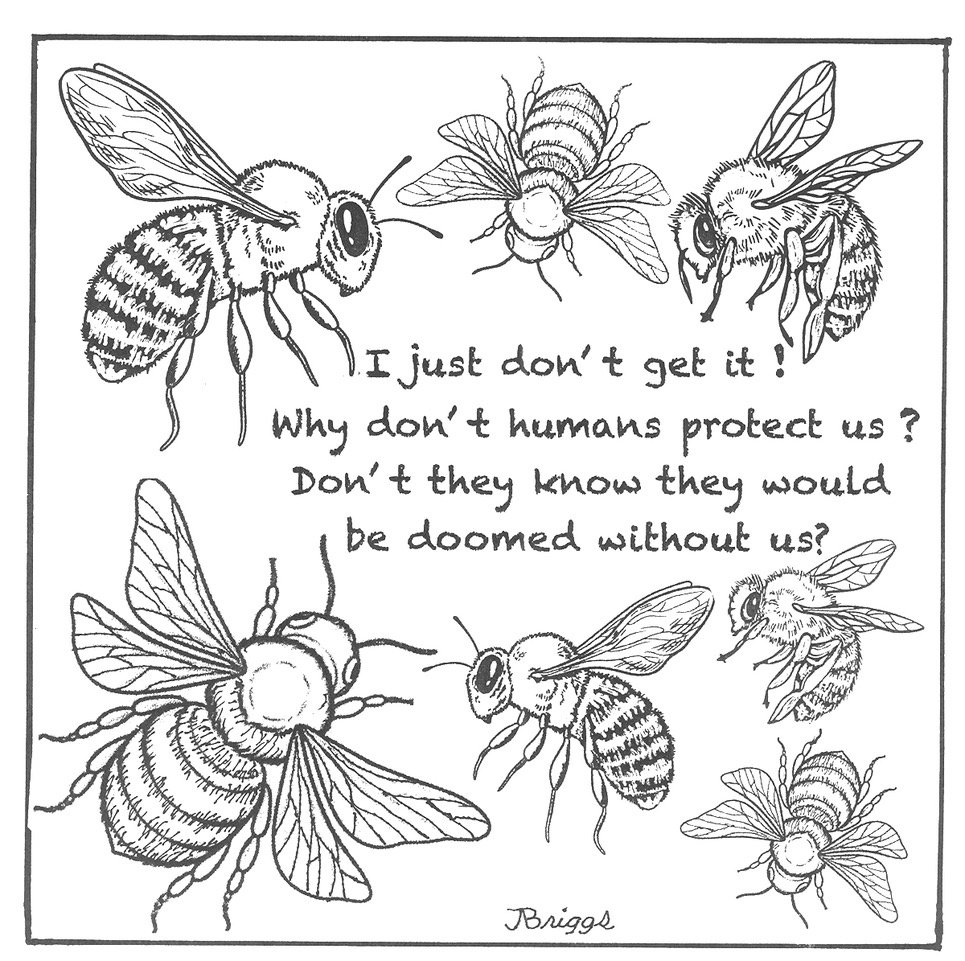
In honor of National Honey Bee Day, August 15, we are sharing these insights on our busy bees. A summer honeybee works herself to death in about six weeks, flying flower to flower so we can eat. Winter bees live months longer just to keep the hive alive until spring. And bees rarely sting unless provoked, so there's no reason to fear them, kill them, or spray them with pesticides. Here's why that all matters.
A summer worker bee's entire adult life is a sprint. She leaves the hive on foraging runs, visiting dozens of flowers per trip, gathering nectar and pollen to carry back to the colony. She does this for weeks on end until her body gives out. Most summer bees don't survive past six weeks.
It takes a staggering amount of that labor to make even a little honey. A single bee produces only a fraction of a teaspoon of honey in her whole lifetime. The bees in a hive have to visit millions of flowers in a season just to fill its winter stores. The honey itself comes from teamwork: bees deposit nectar into the honeycomb, then fan it with their wings to evaporate the excess water. What's left is the thick, sugar-rich syrup we call honey, summer's abundance stored for a season with no flowers at all.
Bees born late in the season aren't built for that same sprint. Winter bees live months longer than their summer sisters, long enough to carry the colony through to spring. They cluster together in the hive and vibrate their flight muscles to generate heat, keeping the queen and each other alive until the flowers return. One generation burns out gathering and preserving food. The next exists mainly to protect that food, and the colony, until winter breaks.
As bees move bloom to bloom, they carry pollen with them, and that pollination lets plants reproduce. A wide range of crops depend on it: almonds, apples, cucumbers, melons, pears, avocados, and more. Set the honey aside entirely, and bees are still doing quiet, unpaid work that much of our food supply depends on. Habitat loss, pesticide exposure, disease, and a changing climate have all pressured bee populations in recent years. Because so much of our food system leans on their pollination, a decline in bees isn't just an environmental footnote. It's a threat to the produce aisle.
A bee landing near you at a picnic or drifting past on the porch is not looking for a fight. Stinging is a last resort for a honeybee, not a first move, since she dies after she stings. She has every reason to avoid you, not seek you out. Bees typically only sting when cornered, swatted at, or defending their hive. That makes reaching for pesticides, or squashing a bee out of reflex, a bad trade. If a hive turns up somewhere inconvenient, in a wall, a shed, an old tree, the better call is usually a local beekeeper rather than an exterminator. Many beekeeping associations will relocate a colony rather than destroy it.
There's plenty to do close to home. Plant something bee-friendly and go native if you can. Native plants suit local soil and rainfall, so they need less fuss, and local bees are evolved to use them. The Pollinator Toolkit at pollinatorpowerworks.org/pollinator-toolkit filters native plants by bloom time, sun, and moisture. Not every garden center carries true natives, so check here for a starting list. Locally, The Monarch Gardener and Wolf Hill Nursery, both in Ipswich, Massachusetts, are solid places to start. Skip the chemicals on your lawn and garden, leave out a shallow dish of water with a few pebbles so bees can drink without drowning, and buy local honey when you can. It supports beekeepers directly and keeps small, well-managed hives in business.
This Honey Bee Day, the honey in your kitchen is worth a second look. It isn't just a sweetener. It's the result of an entire summer's worth of short lives, spent in service of the hive, and in service of us too.
Dianne Richards is President of the Seacoast Beekeepers Association of New Hampshire. Susan MacPhee is with Pollinator PowerWorks.
We invite you to stay updated on environmental matters by subscribing to our monthly newsletter on ACES’ website. Please consider joining our community of stewards committed to Make Every Day Earth Day and subscribe to our Instagram and Facebook.
This educational Column was originally published by The Daily News of Newburyport on August 14, 2026.
Youth and Sustainable Farming
Wild, Weird and Wired