Commentary
Nature’s Pharmacy

This is one in a series of educational columns fostering environmental stewardship and leadership coordinated by ACES — The Alliance of Climate and Environmental Stewards.
We often tend to overlook the importance of biodiversity, the number and variety of species of plant and animal life within a region, to the stability of our surrounding environment. It is important for many reasons, one for example, regional ecological resilience - the ability of an ecosystem to withstand external shocks, like climate change. And another, particularly important directly to humans, the discovery of new medicines.
Some of modern medicine’s most important drugs had their direct origins in traditional knowledge of plants and natural substances, while others were discovered in labs, starting from substances extracted from plants. Let us illustrate this with just a handful of the dozens of examples.
One of the greatest advances in medicine in the 20th century was the introduction of antibiotics to treat infections. One of the first, penicillin, is still widely used today. It was first isolated in 1928 by Alexander Fleming, a scientist working at a London hospital. His discovery began with a mold found on bread and fruit Penicillium notatum (no - eating moldy bread will not cure an infection - the road from a natural product to something you’d find at CVS is a long one).
Willow bark was used for pain and fever since antiquity; it was described in writings by the ancient Greeks. In the 19th century, scientists at Bayer Pharmaceuticals in Germany isolated the active ingredient in willow bark, salicin. When used directly, it upset the stomach, so chemical modifications were made to reduce this effect. This is the Bayer aspirin we know so well from our childhood. Aspirin is now one of the world's most widely used medicines, produced generically by many companies.
The digitalis plant is the origin of digitalis, the origin of a whole class of cardiac drugs known as the cardiac glycosides, used for heart failure and AFib (atrial fibrillation). Cinchona trees, whose bark was used against fevers in South America since the early 1600’s became the source of quinine 200 years later, historically one of the most important treatments for malaria.
The 2015 Nobel Prize in Medicine went to Tu Youyou for her discovery of artemisinin, relying on ancient Chinese medicine to investigate the medicinal plant Artemisia annua. Artemisinin is now the first choice for modern malaria treatment. And in 1967, scientists at America’s National Cancer Institute discovered the cancer drug paclitaxel, a compound they extracted from the Pacific yew tree.
Another drug, cyclosporine, was groundbreaking because it made organ transplants feasible. Until the 1980s, organ transplantation was largely unsuccessful, because the body’s immune system recognized the transplanted organ as foreign, rejecting it and rendering it useless. The first anti-rejection drug, cyclosporine, transformed organ transplantation into a routine procedure - you may know people who are walking around with a transplanted kidney. This drug was developed by the Swiss pharmaceutical company Sandoz, starting with a molecule discovered in their labs from a fungus, T. inflatum.
Every species contains a unique collection of chemistry shaped by millions of years of adaptation and evolution. Most of that chemistry remains unexplored. A plant, fungus, microorganism, or marine organism that seems unremarkable today may contain a molecule with properties that could become one of tomorrow's medicines. Once a species becomes extinct, however, its chemistry—and the evolutionary information that produced it—is gone forever.
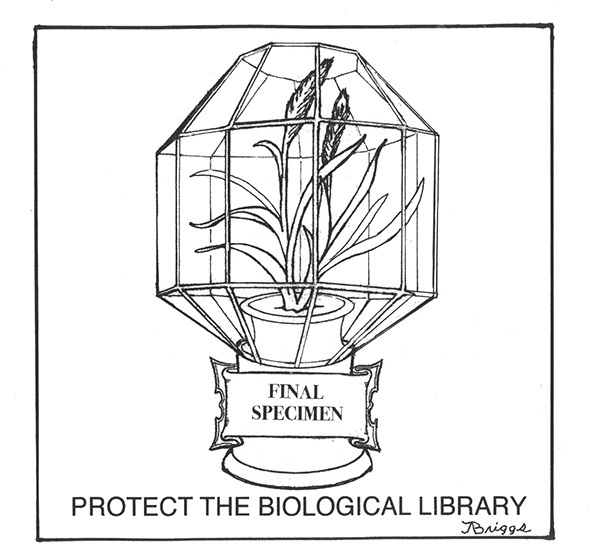
So, biodiversity represents more than ecological beauty or the preservation of individual species. It is also a vast, largely unexplored, biological library. Traditional societies have identified only a fraction of the useful information contained in that library and even more recent research has only scratched the surface. But now, modern chemistry, molecular biology, and AI assisted drug discovery processes give us tools to investigate it in ways that earlier generations could not.
Protecting biodiversity preserves not only ecosystems and species, but possibilities—some of which may become medicines we may and will likely need in the future.
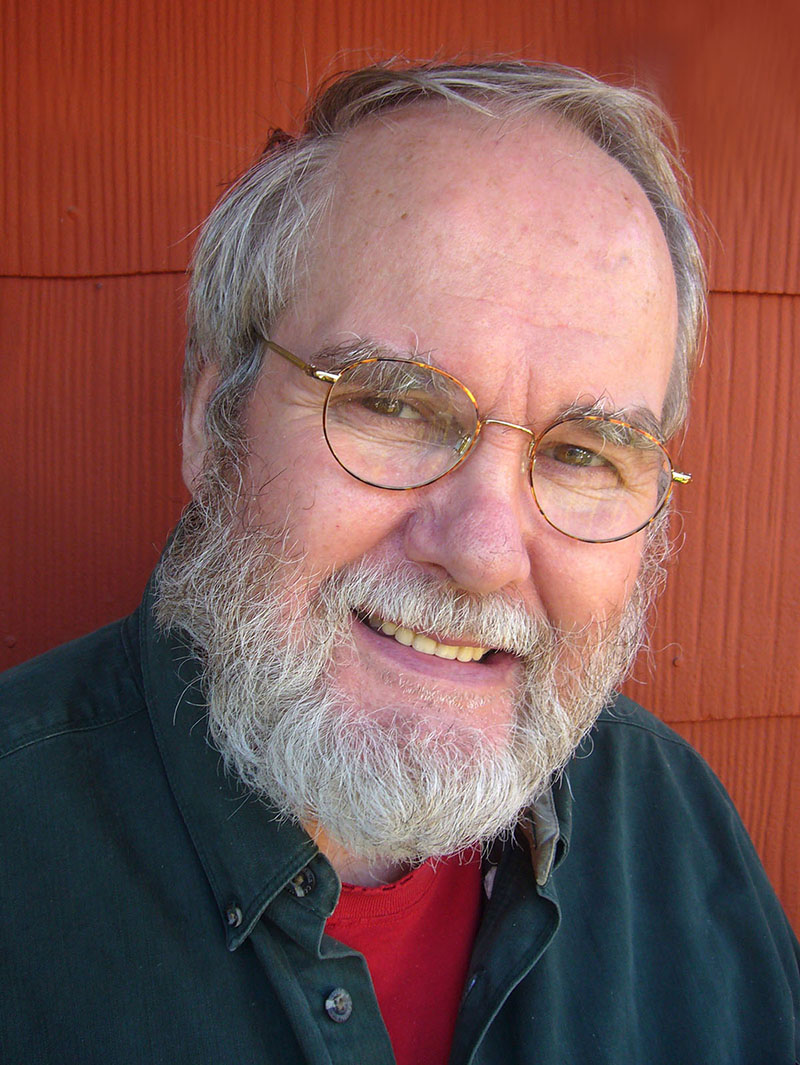
John Van Drie is an ACES Advisor recently retired from a 35 -year career in pharmaceutical research working with some of the largest pharmaceutical companies in the world. He now resides in North Andover with his wife, Susan.
We invite you to stay updated on environmental matters by subscribing to our monthly newsletter on ACES’ website. Please consider joining our community of stewards committed to Make Every Day Earth Day and subscribe to our Instagram and Facebook.
This educational column was originally published by The Daily News of Newburyport on October 24, 2026.