.svg)

Commentary
Looking at Mosquitoes Through the Lens of a Naturalist



This is one in a series of educational columns fostering environmental stewardship and leadership coordinated by ACES — The Alliance of Climate and Environmental Stewards.
You are lying in bed almost asleep when you hear it. That whiny, high-pitched buzz that makes every muscle in your body go rigid. Your eyes pop open and you are now wide awake. You turn on the light and spend several minutes scanning every inch of the room trying to get eyes on the tiny creature, but you cannot. You are in for a long night.
Let’s face it, unless you are bird, a fish or a frog – nobody really likes mosquitoes. As a naturalist for Mass Audubon’s Joppa Flats in Newburyport, I must coexist with these annoying little buggers on a regular basis as part of my job. Massachusetts is home to about 52 different mosquito species, from the common human-biting insects to a hardier species that resides in our salt marshes. With a little prevention planning, we can enjoy our time outdoors safely. Some of my tips and tricks that I use include wearing lightweight and lightly-colored long pants, long-sleeve shirts, socks, and hats. Dark colors stand out more and absorb heat, creating “hot spots” that mosquitoes can detect after sensing CO₂ emissions from us, making dark clothing more attractive to them. Whereas, light colors reflect heat and are less visually attractive to mosquitoes.(source: entomologist.net+2) I also avoid going outside at dusk and dawn especially in the marshes or forest during peak mosquito months. Prevention is not a gimmick or a hack. It takes time and patience to find what works best for you. It comes down to personal choice and comfort; from insect repellent (DEET or no DEET) to elimination methods (bug zapper or fly swatter). I personally have not found any changes for the better if I avoid bananas, avocado or other high-potassium foods or if I gorge on garlic or consume onions before I venture outdoors. It is best to consult your local Board of Health as they will have information about the degree of concern in your city or town and also provide information about the best methods to minimize the risk of infection.
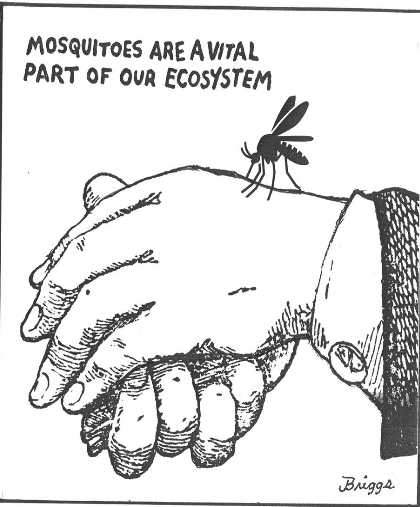
Despite being known as pests, mosquitoes play some very important roles in the natural world. They provide food for a variety of animals; they aid in pollination and nutrient recycling. With more than 3,500 species, mosquitoes are a vital part of our ecosystem. Their larvae and pupae serve as food for fish, while adults are eaten by birds, bats, and frogs. Male mosquitoes primarily sustain on nectar, contributing to pollination. Despite what you may think, mosquitoes help stabilize water quality by breaking down organic matter such as decaying vegetation. The ecological importance of mosquitoes goes beyond being mere nuisances, calling to mind their necessary function in food webs and ecosystem health. Thus, it is vital to recognize the many contributions of mosquitoes while staying mindful of the threats they can cause and the negative effects they have on human health. It all comes down to preparation and maintenance. (Source: Why Are Mosquitoes Important To The Environment)
So what makes them pester you repeatedly? Mosquitoes are attracted to the carbon dioxide we exhale when we breathe out. So, you can either learn to hold your breath for a long time, or you can try some simple and effective methods of control. This can start with something as simple as chemical-free mosquito management.
Here are some examples that you may want to try. Try them in your own garden and track the changes for the better!
1. Remove Standing Water. Female mosquitoes seek out stagnant water to lay their eggs from puddles to watering cans. Scan your yard for anything that collects rainwater, like empty pots, buckets, or clogged gutters, and empty them regularly. For bird lovers, consider a bird bath fountain or water agitator to make it less inviting to mosquitoes.
2. Trim Long Grasses. Tall grass provides shelter, shade and a wind-free zone for mosquitoes. Keep your grasses trimmed around garden beds or high-use areas of your yard.
3. Use the Wind! Flying in the wind is a challenge for a tiny insect and a stiff breeze helps to diffuse the carbon dioxide and body heat that attract mosquitoes to you. Try setting up a porch fan with enough airflow to keep them away.
4. Scented Plants. These plants contain natural oils (like citronella) are worth a try. These varieties have natural repellent properties and if you crush or rub the leaves between your fingers, the oils that are released will help keep the mosquitoes from your yard. Remember to trim these plants regularly.
- Lemon Balm
- Eucalyptus
- Marigold
- Garlic
- Lemon Verbena
- Basil
- Sage
- Scented Geranium
- Nasturtium
- Catmint nepeta
- Lemongrass
- Rosemary
- Fennel
Givin these simple, low-maintenance techniques a try not only will give you a more pleasant time outdoors but by avoiding chemical pesticides you are playing an important role in creating a safe, healthy habitat for both people and wildlife. (source: How to Create a Mosquito Repelling Garden)
We invite you to stay updated on environmental matters by subscribing to our monthly newsletter on ACES’ website. Please consider joining our community of stewards committed to Make Every Day Earth Day and subscribe to our Instagram and Facebook.
This educational column was originally published by The Daily News of Newburyport on August 21, 2026.
Youth and Sustainable Farming
Wild, Weird and Wired