.svg)

Commentary
Four Free Hours


This is one in a series of educational columns fostering environmental stewardship and leadership coordinated by ACES — The Alliance of Climate and Environmental Stewards.
It seems that the big buzz of 2026 continues to be Artificial Intelligence (AI) with its potential labor-saving benefits for company profits coupled with possible massive job and employment disruptions. While most of the anxiety from social commentators had focused on the question of coping and adapting to the job losses it portends, now this week, we are warned that if it’s not kept under control, not only might we experience job losses and larger energy bills, it may kill us all too soon.
Let’s think about the adage of making lemonade when the world gives you lemons. IF AI can be kept under our control over the next few years and we can get some stiff regulations on the siting of AI data centers, ACES suggests that we should look at the inevitable changes in technology from an environmental benefits point of view. Making lemonade from AI lemons for environmentalists means turning AI’s risks into support for collaborative actions that actually help our planet.
For example, can AI help protect nature through greatly improved forms of remote ecosystem monitoring. It might analyze camera traps, audio, and satellite images to detect poaching, track endangered species, and monitor ecosystems from satellite data stop illegal logging. We can collect aerial surveillance and help us ‘see’ the blue whales recently off the MA south coast. Maybe it can make farming more sustainable via using less water, fertilizer, and pesticides while maintaining yields. Can AI help in recycling and waste disposal processes? Maybe with optical and moisture sensing systems to increase composting rates and reduce methane contamination.
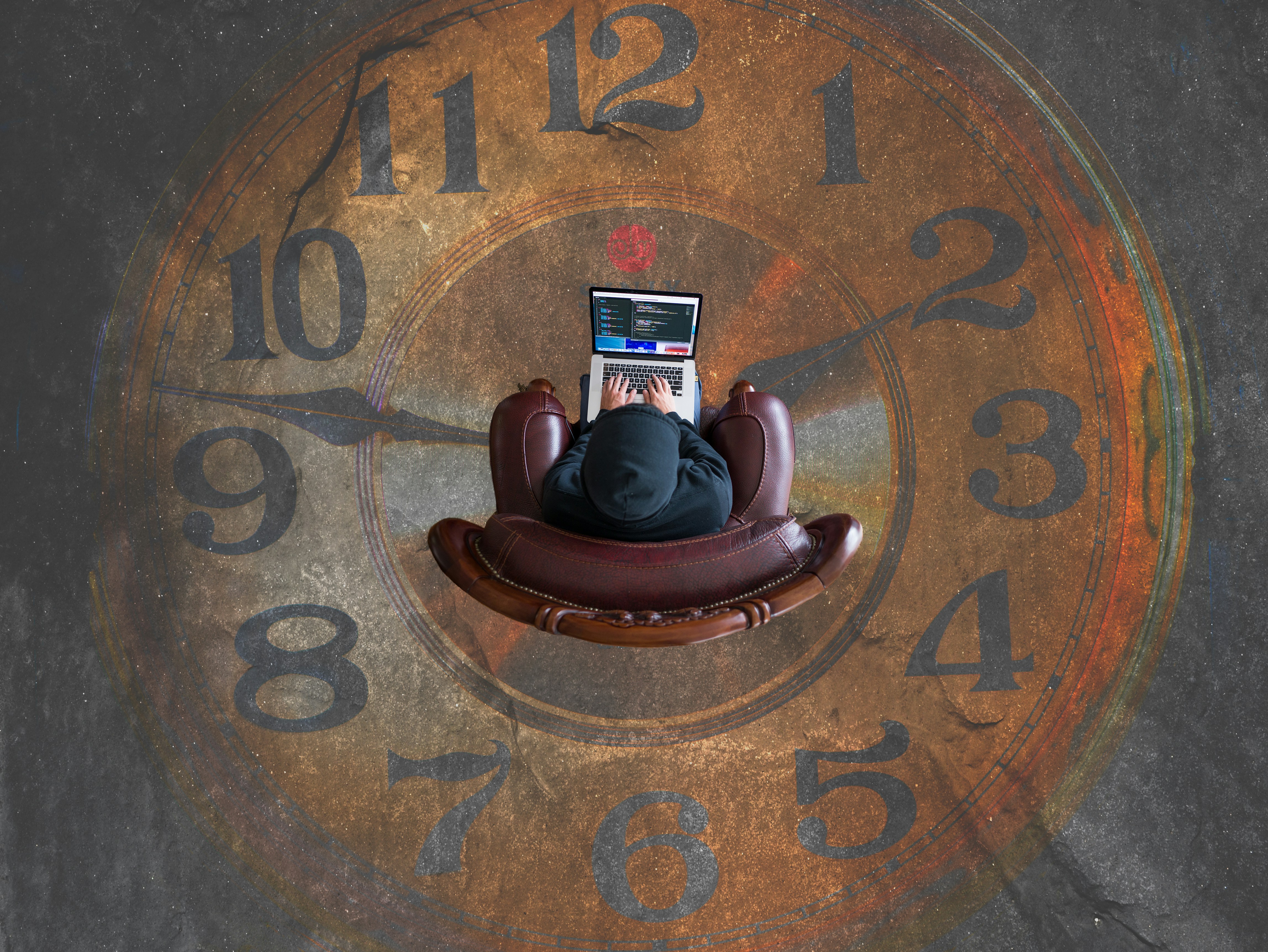
We know some AI related jobs will increase in number. For instance, in the short-term there is a forecasted demand for hundreds of thousands more electricians and grid workers as AI rolls forward and grid expansion and modernization increases. But what about the rest of us? Will some of us be forced into early retirement? What will be our alternatives for leading happy and productive lives? Let’s assume that the productivity created by AI reduces average hours of work needed by 10% or 4 hours a week. How will society adjust? If history is a clue will the standard work week change to 36 hours? That’s one area where society can benefit. Then imagine what useful environmental and cultural work can emerge locally to fill that extra time? We see some positive possibilities.
Culture related fun-work may become more important if people become bored by facile AI generated art and music. Perhaps people will once again seek out physical IRL - “in real life” - experiences like authentic tourism and the arts. Newburyport and the seacoast in general can blossom with street musicians, puppet theaters, magicians, and historic tours and indigenous powwow celebrations.
Maybe some eco-conscious families will begin to grow some of their own food with a resurgence of the WW2 style ‘Victory Gardens”. So why not think about replanting a new or larger garden, building year-round green houses in your backyard, planting some fruit or nut trees? Flea markets and yard sales help keep goods in circulation and out of the landfills, so supporting such efforts will help folks transition to the change in job availability. Planting trees or restoring dune grasses, volunteering with MA Oyster Project to repopulate oysters in our waters. ACES knows all this is pretty speculative, even to say fanciful, but looking ahead is always a good idea. Especially for today’s youth who are interested in a flourishing and sustainable future.
AI is coming. It is likely to be as disruptive as the Industrial Revolution. How might you and our community and the world best respond in a healthy and environmentally friendly way so we are also safeguarding the well-being of our current and future generations? Grow more of our own food, and repurpose and up-cycle existing items, and expand your cultural efforts to compensate for the faux feeling of AI generated art and music. And when your four free hours materialize, come help the environment by volunteering with one of ACES’ Allies or maybe take a guitar, or French or acting class?
Think about it.
%20(1).png)