.svg)

Commentary
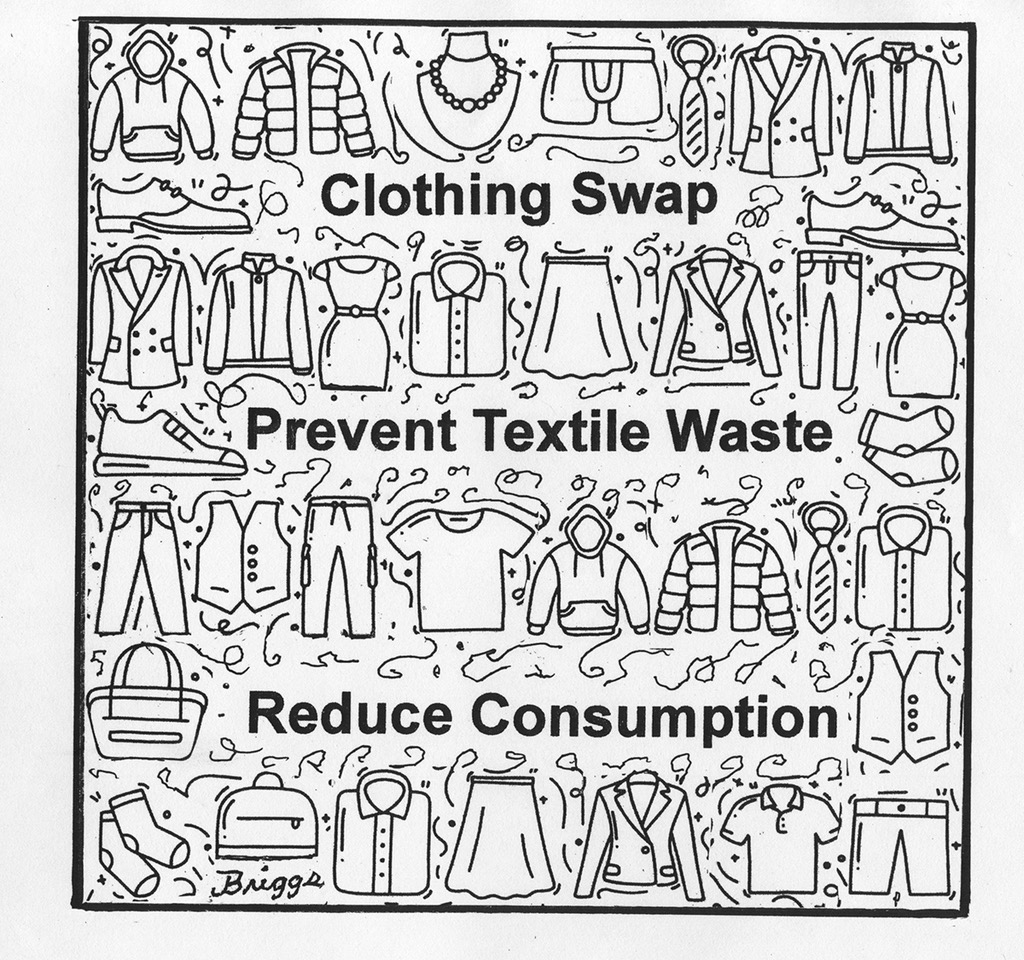
New Opportunities from Old Stuff



This is one in a series of educational columns fostering environmental stewardship and leadership coordinated by ACES — The Alliance of Climate and Environmental Stewards.
We need to dramatically reduce waste generation in our communities and in our society as a whole toward zero. Reusing things is one approach to get us moving in that direction. We need to think about waste in terms of supply chains. Establishing economical and effective supply chains that can match a need with a source. We need more 'pickers' to start their own businesses. A picker is skilled in the art of buying used goods from a range of sources and then selling them, at a profit, to antique dealers, thrift shops, and the general public. These people often develop deep knowledge of specific eras and furniture styles like mid-century modern or art deco that allows them to spot valuable artifacts. Others may be skilled in spotting Victorian or jazz age jewelry in jumble boxes at estate sales. Antique pickers can be even a bit more specialized
The supply chain side of reuse in goods is multifaceted and largely local. In that supply chain are numerous opportunities for individuals to supplant their income and reduce waste. Some of the parts include charity shops, consignment shops and specialist retailers, such as Green Plum Vintage Goods and Oldies.
The work of making reuse a real business includes developing the knowledge needed to curate the things one collects so that reselling them is profitable. Knowledge of retail shops and what sells where is a skill that facilitates the circulation of these used and still valuable goods to someone who likes and wants them.
One local opportunity for individuals to assist in effectiveness of the reuse cycle that can also add to the individual’s income is adopting the role of a ‘picker’. This can be by literally picking up stuff put on the side of the street and loading into one’s truck or car to sell off later or by going to yard sales, flea markets, and thrift shops to collect objects that can be moved directly to the demand side of the supply/demand economy and sold online for a profit.
Part of succeeding in the reuse supply chain is to keep up to date about the vintage, antique and collectibles market. And learning from libraries, visiting the Custom House and other museums, and simple having fun doing it on weekend to start can be both an enjoyable cultural hobby but also lead to a side earnings activity. There are also jobs in helping people to declutter. One friend of ACES and the NBPT Senior Community Center offers their help around the region for people planning on downsizing. In that role, they point out to clients’ items that might be valuable and either helps them to find a home for them or sometimes offers to help them sell the items locally or online. If you need help with cleaning out an outbuilding or barn or a basement, ask around. Newburyport has people who can help you participate in the reuse market supply chain.
On the demand side of reuse, Massachusetts has big, but dramatically underreported, circular economy and with the dramatic shift in costs for new materials it’s only going to get bigger. Venues like the Brimfield Antique Flea Market and others attract over 1 million visitors annually and feature thousands of dealers. In fact familydestinations.com lists 7 ‘massive’ flea markets in the state including our own nearby Todd Farm besides Brimfield along with others in Palmer, and in Hubbardston which the website describes as “like the lovechild of a country fair and an antique roadshow, with a dash of that weird uncle’s garage sale thrown in for good measure.”
As our American economy undergoes rapid fire changes due to tariffs and AI induced job losses, maybe a good idea here in greater Newburyport is to realize that we are on a tourist pilgrimage route and there are financial opportunities for fashionistas, interior decorators, and furniture restorers to make a part of their living in the reuse supply chains all around us. What’s in your attic could become what’s in your wallet! Purchasing and keeping or reselling reuse materials can help lead us locally toward zero waste. Let us know about your experience in the reuse supply chains locally.
Meanwhile we invite you to stay updated on environmental matters by subscribing to our monthly newsletter on ACES’ website https://www.aces-alliance.org/. Please consider joining our community of stewards committed to Make Every Day Earth Day by contacting acesnewburyport@gmail.com Subscribe to our Instagramhttps://www.instagram.com/acesalliancenbpt/ and Facebookhttps://www.facebook.com/ACESAlliance/ pages to stay informed.
This educational column was orriginaly published in The Daily News of Newburyport on January 9, 2026.

Youth and Sustainable Farming
Wild, Weird and Wired