.svg)

Commentary
Cradle to Cradle

This is one in a series of educational columns fostering environmentalstewardship and leadership coordinated by ACES — The Alliance of Climate andEnvironmental Stewards
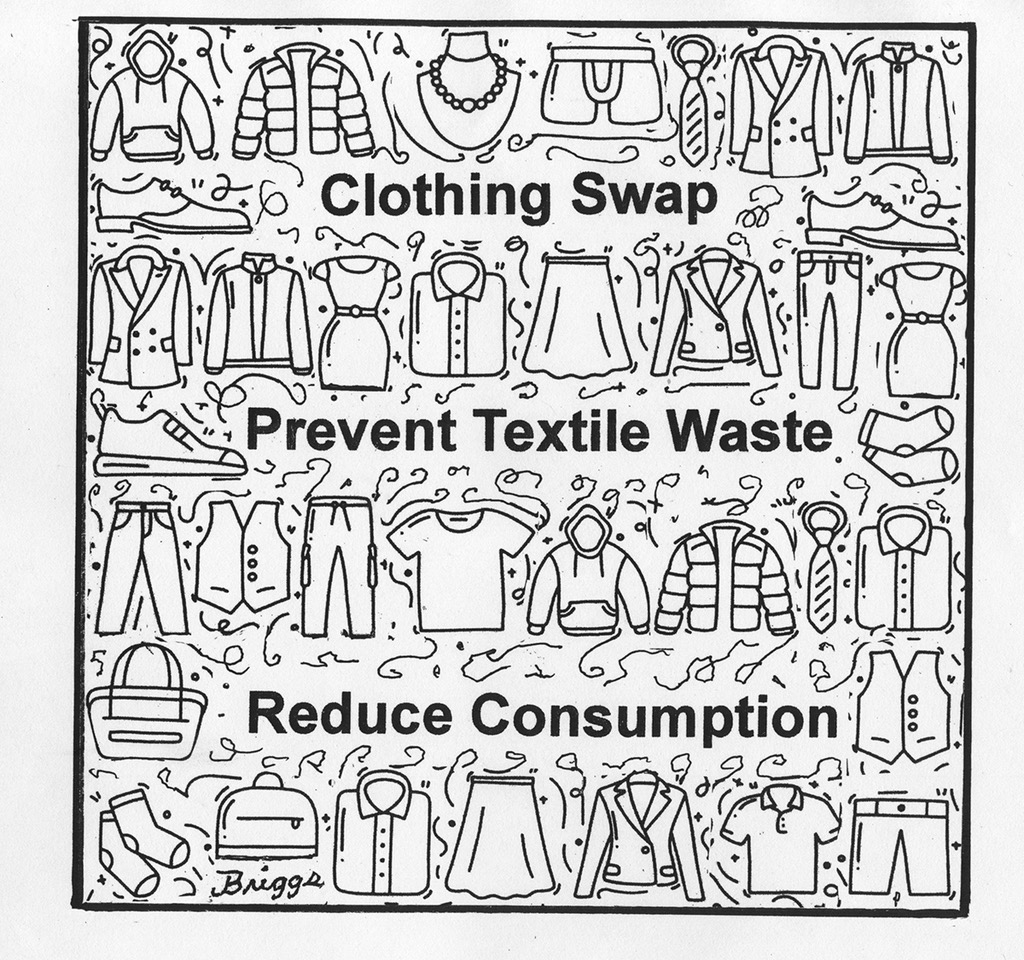
Cradle to Cradle is the design and production of all types of products such that at the end of their life, they can be recycled (up cycled). This imitates nature where everything is either recycled or returned to the earth, directly or indirectly, in a completely safe and nontoxic manner. CRADLE TO CRADLE: Remaking the Way We Make Things is a 2002 book by German chemist Michael Braungart and US architect William McDonough. It is a manifesto detailing how to achieve their Cradle to Cradle model, by which products can be designed from the outset so that after their useful lives, they will produce nourishment for something new. “Biological nutrients” will easily re-enter the water and soil without depositing synthetic materials and toxins. “Technical nutrients” will continually circulate as pure and valuable materials within closed loop industrial cycles, rather than being recycled – really, down cycled – into low-grade materials and uses. Drawing on their experience in redesigning everything from carpet to corporate campuses, McDonough and Braungart make an exciting and valuable case for putting eco-effectiveness into practice and show how everyone involved with making anything can begin to do so as well.
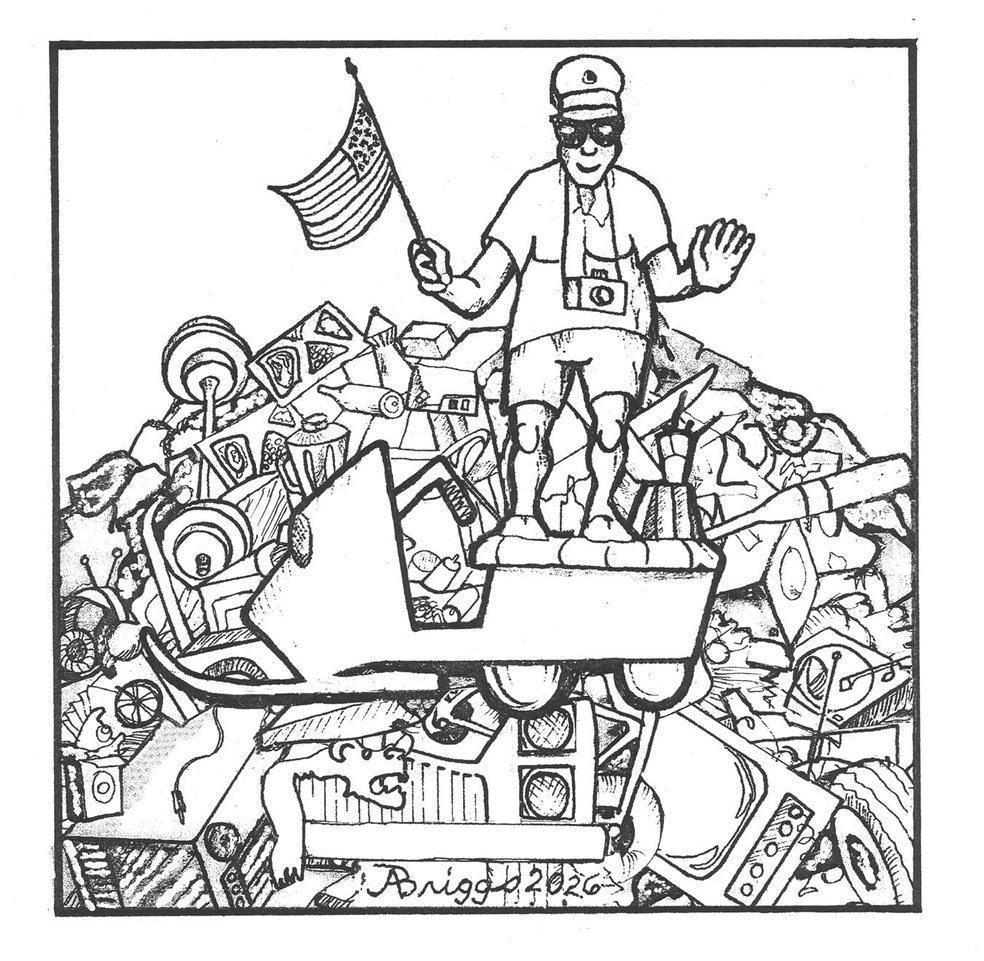
There are many reasons why we have created a throw-away ethic. Our highly technological and transient society see cheaper products as more desirable. The throw-away ethic has led to planned obsolescence. The arguments for product planned obsolescence are – the cost of manufacturing a new product is less than repair, technical improvements make the product obsolete quickly and our super industrialized society demands that we constantly produce more.
Implementation of the Cradle to Cradle manifesto in America, as of May 2026, has focused on shifting towards verified compliance as major corporations make sustainable pledges to full product recycling.
Examples of key adoption trends, as of 2026 include:
· Adoption of manufacturing recycling
· Verizon 5.0 standard: introducing more rigorous requirements for sustainability of its products
· IKEA has been re-designing its furniture to be recycled into new furniture with programs that take old furniture in and gather the little metal assembly clips to reuse and reprocess the boards and fabrics to reuse.
· Digital Materials Passports: integration with AI enables manufactures to track product constituents from production to recovery.
UKT-shirt manufacturer Teemill has developed a high tech, new way of producing T-shirts, using organic inks and queen technology creating fully cycled T-shirts
· Legislative Momentum: extended producer responsibility to take physical and financial responsibility for their products’ end of life cycles
In 2025Massachusetts bill “Mass Ready Act” includes policy changes for extended product, responsibility, and single use packaging restrictions
· Building Environmental Leadership: Cradle to Cradle standards are increasingly recognized by major green builders, architects and construction materials manufacturers. Locally, a recent NPR story stated “proponents of a growing movement in the construction industry are asking: Why tear down old buildings with wrecking balls when those materials can be mined for reusable materials?” The practice, called deconstruction, creates a circular economy of reuse for building materials. For example, Anna Perks of Boulder, CO is a specialist contractor who is moving into handle the materials left behind. Her approach is to “deconstruct” it, not “demolish” it.
Our ancestors naturally depleted water, hydrocarbons, forests, rivers, fish, with the richest land and the most accessible resources first. Now people are increasingly forced to turn to marginal land to grow more food. Instead of extracting minerals on or near the surface, deeper and much poorer deposits must be mined and refined. Water and petroleum must come from lower quality sources or deeper wells and be transported over longer distances at an increasingly greater environmental cost. Future generations will find resources becoming limited and recycling will become a big part of how we maintain our economy and maintain sustainability. The Cradle to Cradle manifesto undoubtedly will become the mandate, most likely controlled by more government regulations and interventions.
Jeffrey Briggs is a long time resident of Newburyport and an acclaimed sculptor and illustrator who can be reached atJeffrey@briggsscupture.com
We invite you to stay updated on environmental matters by subscribing to our monthly newsletter on ACES’ website. Please consider joining our community of stewards committed to Make Every Day Earth Day and subscribe to our Instagram and Facebook.
This educational column was originally published by The Daily News of Newburyport on May 29, 2026.
Youth and Sustainable Farming
Wild, Weird and Wired