.svg)

Commentary
What’s Good for Our Whales?
.jpg)


This is one in a series of educational columns fostering environmental stewardship and leadership coordinated by ACES — The Alliance of Climate and Environmental Stewards.
Imagine calm, greenish seas. A camera zooms in from the sky to reveal a rotund, 50- foot whale, dwarfing her comparatively tiny new calf. The mother exhales, her breath rising into the air as scientists in a small plane above snap photos. It is a scene that has thrilled scientists each winter as they conduct aerial surveys to study the distribution and behavior of one of the most endangered whales in the world: the North Atlantic right whale.
Each year, scientists and whale enthusiasts anxiously monitor news of right whale births. With a population of less than four hundred individuals, every calf matters. This year has been encouraging, with more than twenty calves born so far. This has given scientists hope, but they caution that whales are far from safe.
Like other whale species, right whales face threats from vessel strikes and entanglement in fishing gear. Climate change adds more risk. The Gulf of Maine is one of the fastest-warming water bodies on the planet. This warming causes shifts in the prey whales rely on, forcing them to change where they feed. Although calves are born in waters off the southeastern United States, scientists continue aerial and boat surveys off New England throughout the winter because right whale movements are increasingly unpredictable.
Whales play a crucial role in ocean health. They feed at depth but release their waste on the surface. In a process called “the whale pump,” nutrients from the waste fuels the rest of the ocean food web. Healthier whales support a healthier ocean, which is crucial for our own health.
Whales can also mitigate climate change. They store carbon in their bodies, and when they die, they sink to the seafloor, locking the carbon away. More whales mean less carbon in our atmosphere, and a healthier planet for all of us.
World Whale Day on February 15 is a welcome reminder that we have whales in our local waters, and we need to protect them. Each spring, right whales feed in Cape Cod Bay before spreading further north for the summer. Sightings of humpback whales, particularly close to shore, have increased in recent years. We are also fortunate to have the world’s second-largest species, the massive fin whale, off our coast. We have also recently seen an increase in sightings of common dolphins and sea turtles. While interest in whales and the ocean has grown, these animals still face constant threats from human activities. Protecting whales is a key part of ensuring ocean health. Thankfully, protecting them has been a group effort, with scientists, fishermen, and educators making a concerted effort to work together to help these magnificent animals.
There is still more to do – and everyone can play a role.
Ways We Can All Help Whales:
- Reduce plastic use and never litter.
- Buy local as much as you can.
- When boating, travel slowly and watch for whales. Reel in fishing lines when whales are nearby.
- Ask your representatives to support robust protections for whales. These include research funding, investment in safer fishing gear, and vessel speed limits where whales gather.
- Volunteer with or donate to conservation organizations.
We all must work together to find ways for humans and whales to coexist in the ocean. When this happens, both whales and people benefit.
Jennifer Kennedy is the Executive Director and Co-Founder of the Blue Ocean Society based in Portsmouth, NH, She can be contacted at jen@blueoceansociety.org
ACES invites you to read up on ideas to reduce plastics in your life at myplasticfreelife.com/plasticfreeguide and to stay updated on environmental matters by subscribing to our monthly newsletter on ACES’ website www.aces- alliance.org. Please consider joining our community of stewards committed to Make Every Day Earth Day by following our Instagram (@acesalliancenbpt) and Facebook (@ACESAlliance) pages to stay informed.
This educational column was origianly published by The Daily News of Newburyport on Febuary 13, 2026.
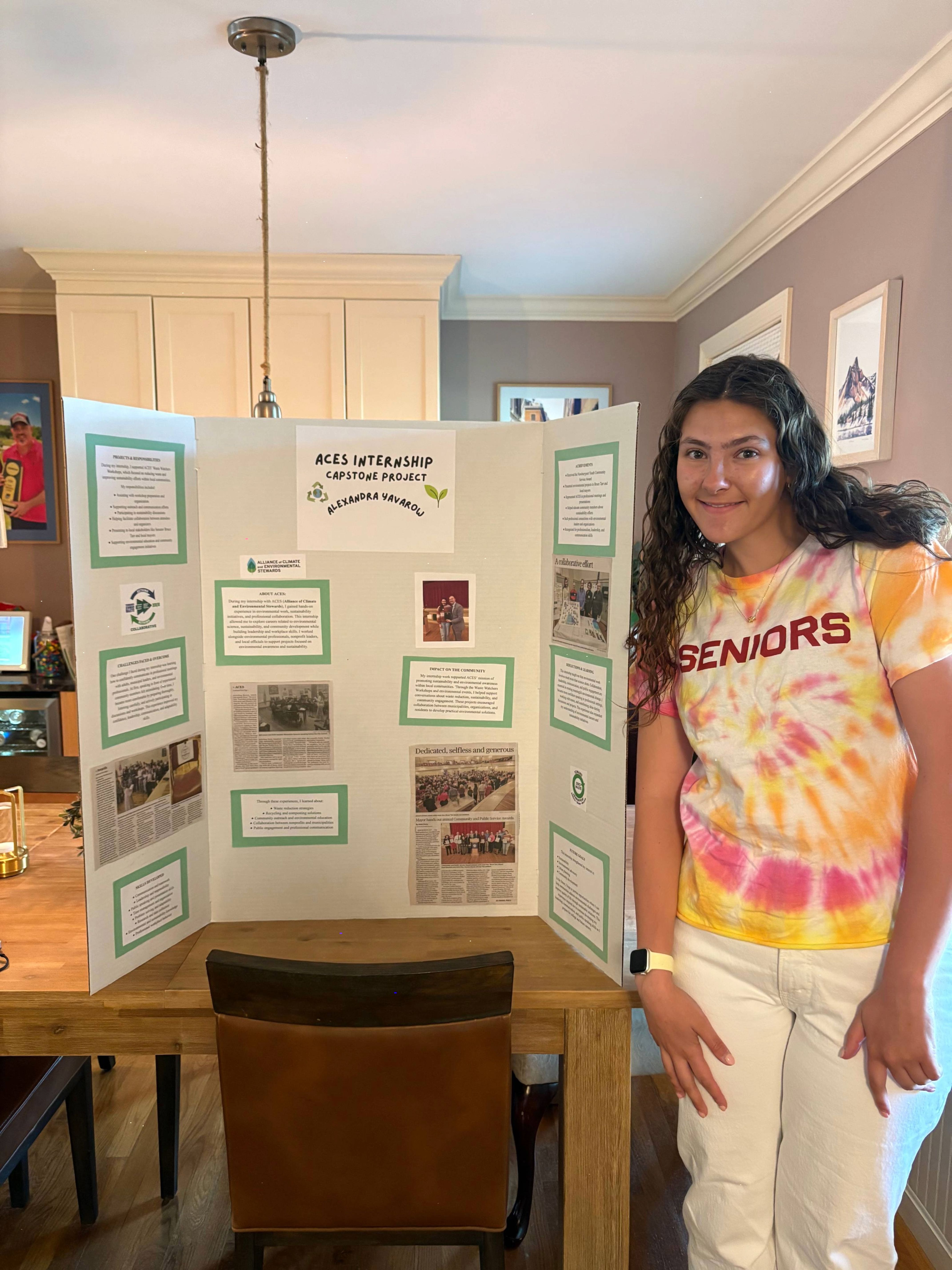
The Value of Learning from an Internship:
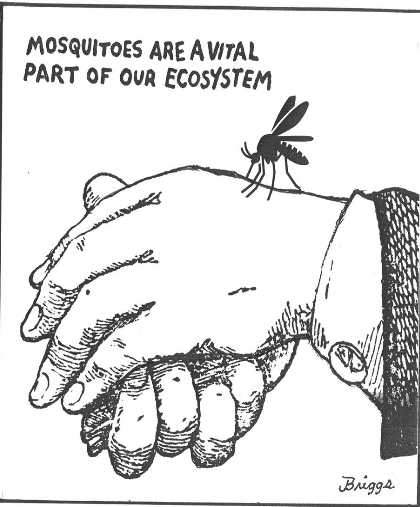
Looking at Mosquitoes Through the Lens of a Naturalist